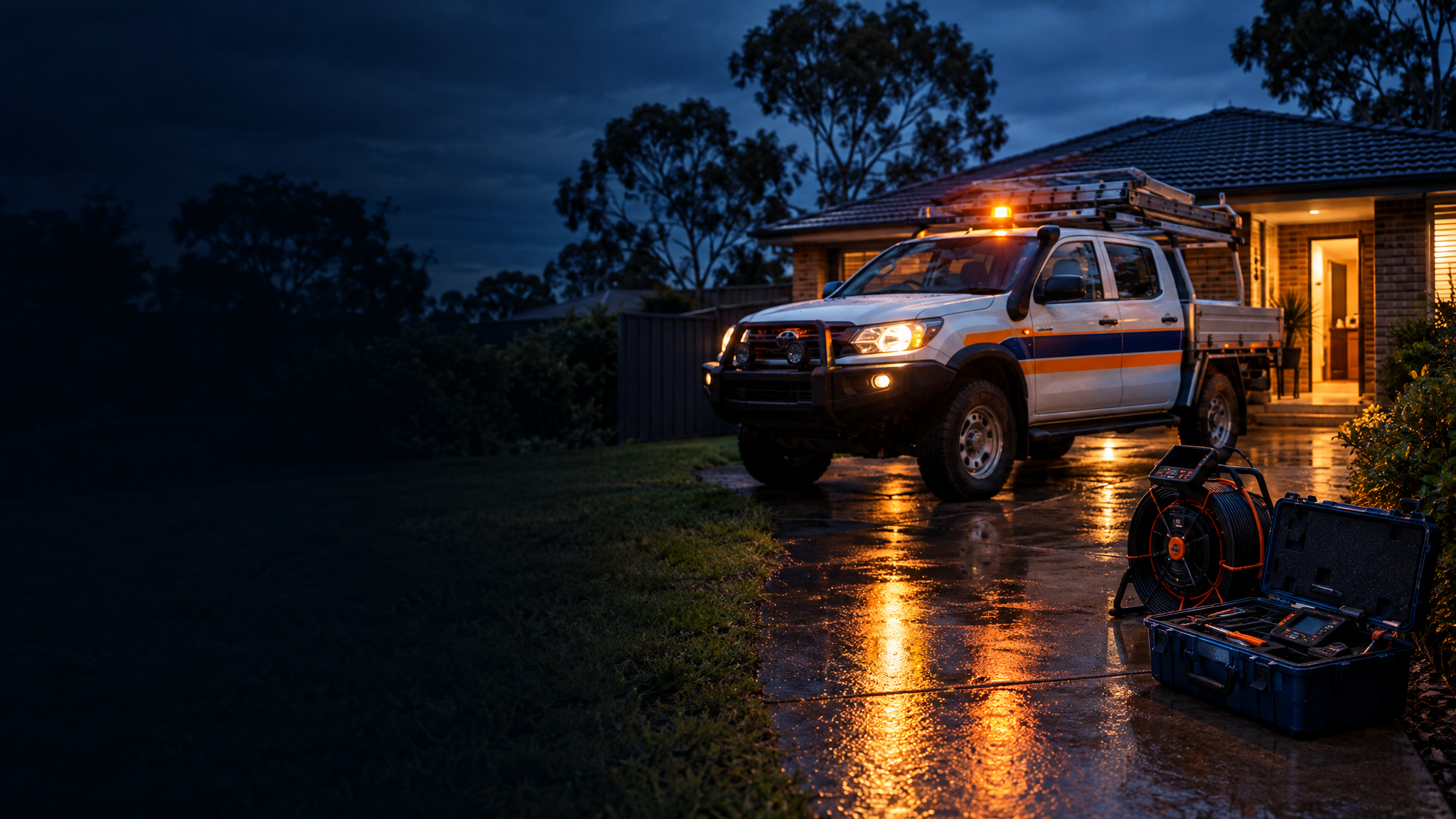
Get Your Melbourne East Drains Flowing Tonight
A blocked toilet, overflowing outside gully or shower that starts filling instead of draining can quickly turn into a stressful night. When it happens after normal business hours, the priority is stopping water from spreading and getting the right help before the problem reaches more of your home.
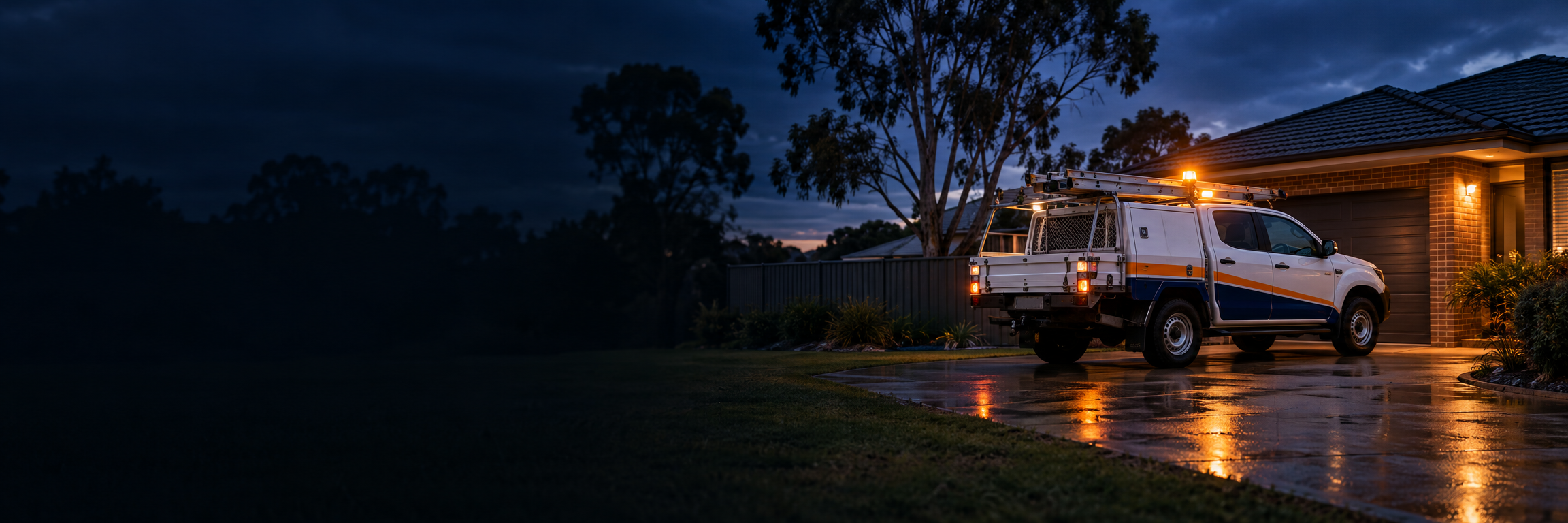
We provide licensed 24/7 emergency dispatch for urgent drain issues across Drouin, Warragul, Pakenham and Melbourne’s eastern suburbs. Emergency drain unblocking in Melbourne East is especially important when wastewater is backing up, stormwater is pooling near the house or several fixtures stop draining at once.
After-hours call-outs often involve:
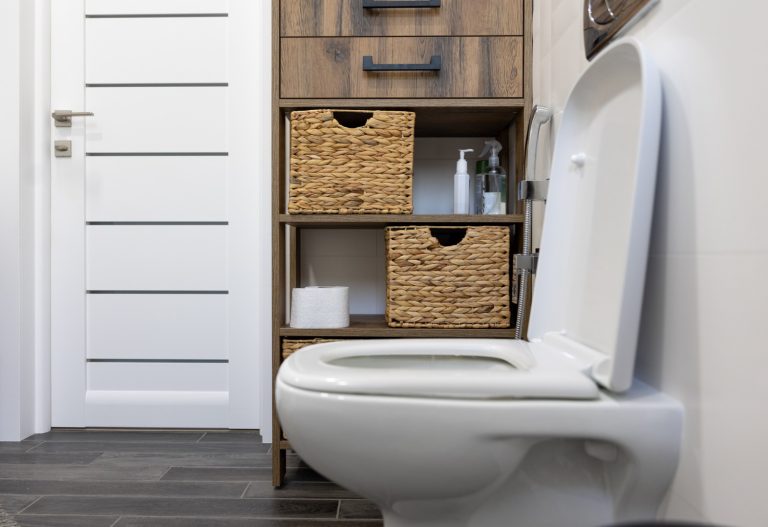
- A toilet that will not flush or starts rising after flushing
- Wastewater coming up through a floor drain in the laundry or bathroom
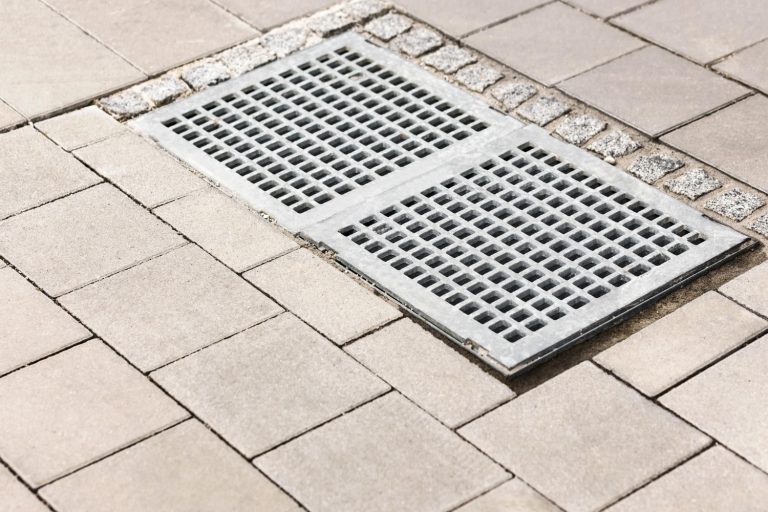
- A stormwater pit overflowing during heavy rain
- A kitchen sink blocking while family or guests are over
- Gurgling drains and slow water that suddenly becomes a full overflow
Waiting until morning is not always the safer choice. Overflowing water can reach garages, laundries and living spaces, while sewage backup creates a hygiene issue that needs careful handling. The sooner we can assess the affected drain, the sooner we can work to restore flow and limit further mess.
Why Wet Winters Overwhelm Eastern Melbourne Drains
Long wet winters can leave the ground around underground pipes saturated for weeks. By spring, a fast rainstorm may expose a stormwater line that has been draining slowly for some time. Water that once disappeared gradually can start backing up through pits, outdoor grates, driveways and gutters.
It also helps to know whether you are dealing with sewer drainage or stormwater drainage. Sewer problems usually involve toilet backup, gurgling fixtures, unpleasant smells or wastewater appearing at a gully. Stormwater problems are more likely to show up as overflowing downpipes, flooded grates, full pits and pooling rainwater around paved areas.
During Melbourne East rain events, leaves, roof debris, silt and tree roots can all restrict the flow through stormwater pipes. We recommend treating early warning signs seriously, particularly if water is sitting around a pit or outdoor grate long after rain has stopped.
A drain issue often progresses in stages:
- Early warning stage: slow outdoor grates, bubbling toilets or water sitting around pits
- Storm event stage: water pools near doorways, garages, paths or paved areas
- Emergency stage: wastewater or stormwater enters the property and needs urgent attention
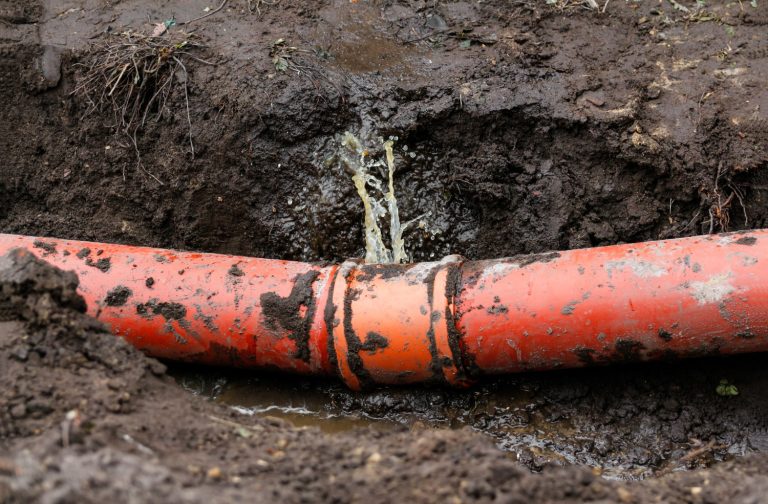
Heavy rain may not create the blockage itself. More often, it reveals an existing restriction, damaged section of pipe or root-filled line that cannot cope with the extra water.
Emergency Drain Unblocking in Melbourne East After Dark
When you arrange an urgent after-hours visit, a clear description helps us prepare for what is happening on site. Let us know where the blockage appears to be, whether sewage is present, which fixtures are affected and whether water is actively entering the home. It is also useful to mention if your property uses a septic system.
Once on site, we check accessible fixtures and drainage points before choosing the safest clearing method. This can include outdoor inspection openings, overflow relief gullies and stormwater pits. The aim is to identify the affected line, restore flow where possible and reduce the immediate risk of overflow.
High-pressure hydro-jetting can clear many blockages caused by grease, silt, debris and root matter. Where the cause is unclear, or where the same drain has blocked before, a CCTV drain inspection can show what is happening inside the pipe after it has been cleared.
Before help arrives, keep the situation contained where you safely can:
- Stop using toilets, showers, washing machines and dishwashers if sewage is backing up
- Keep children and pets away from contaminated water
- Move valuables away from affected areas if it is safe to do so
- Avoid lifting covers near overflowing wastewater
- Do not pour harsh chemical drain cleaners into a blocked line
CCTV Finds Roots Beneath Gippsland Clay Soils
Gippsland clay soils can move through the year. When the ground is wet, clay can expand. During drier periods, it can contract. That movement can place pressure on older earthenware, concrete or poorly joined pipework, creating small gaps where moisture-seeking tree roots can enter.
On larger blocks, established gums, poplars, willows and dense hedging may have root systems that stretch well beyond the visible garden area. Roots do not need a large opening to enter a drain. Once inside, they can catch debris, slow wastewater and gradually create recurring blockages.
Hydro-jetting can remove root mass and get the drain moving again, but clearing the immediate blockage does not always solve the reason roots entered in the first place. A CCTV inspection after clearing can reveal cracked sections, displaced joints, collapsed areas or remaining root entry points.
Signs that roots may be involved include:
- The same drain blocks every few months
- Toilets gurgle when showers or washing machines run
- Water drains slowly despite basic cleaning attempts
- Damp soil or unusually lush grass appears along the drain route
A recurring root issue may need a planned repair discussion once the urgent overflow risk has been controlled. Depending on the pipe condition, that may involve further investigation into repair, relining or excavation options.
After-Hours Assessment and Repair Timelines
The time needed to resolve an after-hours drainage problem depends on what is found. A one-off obstruction in an accessible line may be cleared during the emergency visit. A damaged pipe, major root intrusion or collapsed section may need follow-up work after flow has been restored and the cause has been confirmed.
Several factors shape the work required, including the time of attendance, access to inspection points, the location of the blockage, equipment needed and whether there is active sewage or stormwater flooding. Hydro-jetting, root cutting and CCTV investigation may be needed where the drain is heavily blocked or repeatedly failing.
After-hours pricing is usually based on the work required rather than a single flat amount. The main cost factors include:
- The after-hours attendance time and urgency of the emergency dispatch
- Whether the blockage can be reached through an accessible inspection point or pit
- The time and equipment needed for hydro-jetting, root cutting or clearing silt and debris
- Whether a CCTV drain inspection is needed to identify damaged, displaced or root-filled pipework
- Any follow-up repair, relining or excavation required after the immediate blockage is cleared
The usual service path is straightforward: assess the affected line, clear the immediate blockage where possible, then inspect the pipe if there are signs of damage or repeat issues. This approach separates a simple blockage from a repair problem, so the next steps are based on what is actually inside the drain.
Rapid Help When Your Drains Cannot Wait
For reliable emergency drain unblocking in Melbourne East, our team is ready to assess the blockage and restore flow with the right equipment. The Unblock Doc can respond around the clock for blocked toilets, overflowing drains and stormwater issues. Contact us to arrange an urgent call-out and get your drainage problem moving in the right direction.
Quick Answers for After-Hours Drain Problems
Is An After-Hours Blocked Drain Always An Emergency?
It is urgent when wastewater is backing up, toilets cannot be used, stormwater is threatening the property or multiple fixtures are blocked at the same time. A minor slow drain may be able to wait, but active overflow should not.
Can A Blocked Drain Be Cleared At Night?
Yes. After-hours drain equipment can often clear urgent blockages and reduce the risk of further overflow. The safest response is to stop using affected fixtures, keep people away from wastewater and act promptly if water is spreading through the property.