Hydro-Jetting Vs Drain Snaking for Pakenham Clay Soil
Clear Pakenham Drains Before Spring Rain Tests Them
September rain can reveal drain trouble that built up over winter. Wet weather may have pushed silt, leaf litter and clay runoff into stormwater lines, while early spring growth can worsen existing tree-root entry points. If you notice gurgling toilets, slow showers, pooling around outdoor drains, sewage smells or water backing up near downpipes, it is worth having the cause checked before the next heavy downpour.
We assess whether the drain needs snaking, hydro jetting, CCTV inspection or urgent repair. The right cleaning method depends on the blockage, pipe condition and whether Gippsland-style clay movement has opened joints to tree roots.
Hydro Jetting Drain Cleaning in Pakenham Cuts Root Regrowth
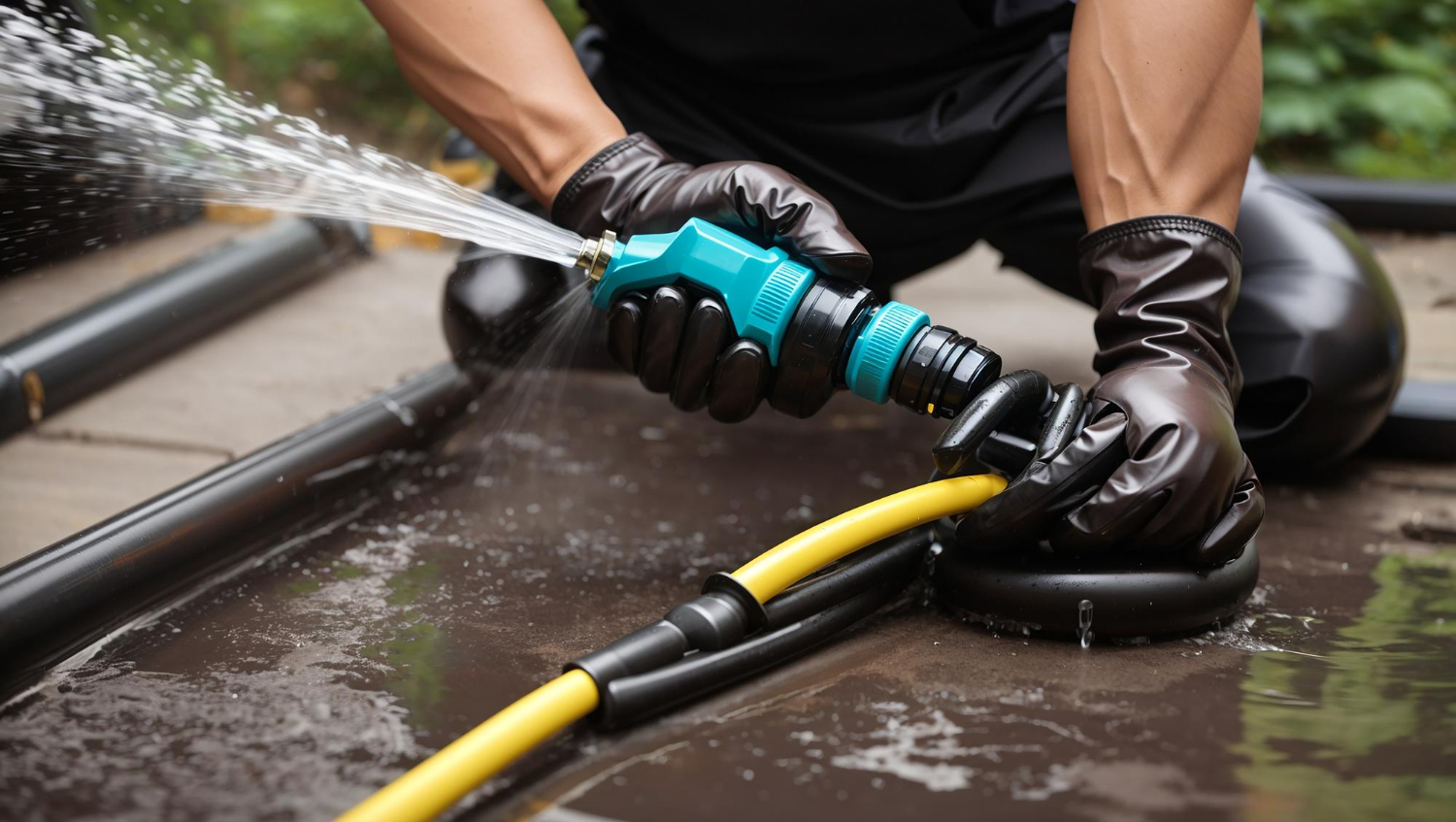
Hydro jetting drain cleaning in Pakenham uses high-pressure water to scour debris from inside the pipe. Rather than simply punching a small gap through a blockage, jetting can clear grease, sludge, soap residue, fine roots, leaf matter and built-up sediment clinging to pipe walls.
Jetting is often the stronger option where we find:
Repeated root entry through cracked or shifted earthenware joints
Grease-heavy kitchen lines in homes, rentals or food businesses
Stormwater drains carrying winter silt, leaves and clay sediment
For repeat root blockages, hydro jetting is usually the better long-term cleaning method because it removes more of the root mass and pipe-wall buildup than a basic breakthrough method.
Where pipe damage is suspected, we generally recommend CCTV inspection before or alongside jetting. A camera lets us check for fractures, collapsed sections, major offsets and unsuitable pipework before high-pressure cleaning begins. Jetting can restore flow quickly, but it cannot permanently fix broken pipes, displaced joints or badly root-damaged sections.
When Drain Snaking Is the Smarter First Step
Drain snaking uses a mechanical cable to break through or retrieve a localised blockage. It can be a practical first step for hair, wipes, a small root mass or an object caught close to an access point.
Snaking may suit:
A first-time blockage without a history of backups
A simple bathroom or laundry drain obstruction
A drain that needs basic flow restored before CCTV inspection
An accessible blockage close to an inspection opening
For a contained blockage, snaking can be fast and effective. The limitation is that it may leave grease, scale and fine roots attached to the pipe walls. In Pakenham’s clay-soil areas, those remaining roots can grow back through shifted joints and cause another backup.
Our simple decision guide is this: choose snaking for an isolated, accessible blockage; choose jetting for recurring roots, heavy buildup or stormwater debris; and arrange CCTV inspection when backups keep returning or there are signs of pipe movement. Symptoms alone cannot confirm what is underground, so we select the method after an on-site assessment.
Clay Soil, Roots and Rain Need More Than a Quick Clear
Reactive clay soils around Pakenham and the wider Cardinia area can expand in wet conditions and contract as the ground dries. That movement can place pressure on older drain joints and underground pipe connections. Even a small opening can attract tree roots searching for moisture and nutrients.
Once roots enter, they can form a dense web that catches toilet paper, fats, wet wipes and stormwater debris. A drain may seem clear after a quick punch-through, yet the remaining roots and buildup can keep catching material.
After a wet winter, hydro jetting can be useful because it:
Removes fine roots and debris washed into stormwater lines
Cleans a broader area of the pipe interior
Helps us see whether repeat blockages may point to damage
Restores flow without guessing at what is causing the backup
Keep leaves and garden debris away from grates and downpipes, and never flush wipes, even if the packet says they are flushable. Repeated gurgling, slow drainage or rain-triggered overflow should be inspected professionally. If CCTV shows a collapsed pipe, major offset joint or root-damaged section, cleaning may only be a short-term measure before targeted repair or pipe relining.
Costs, Timelines and Emergency Answers
The scope of a drain job depends on what we find, not just the visible symptom. Before work starts, we explain the recommended method, likely scope and any repair risks that may appear once the line is inspected.
Typical Pakenham pricing guidance can include:
Standard-hours assessment and simple snaking: approximately $150 to $350
CCTV inspection: approximately $250 to $450, depending on access and pipe length
Hydro jetting for roots, grease or stormwater debris: approximately $350 to $700
24/7 emergency dispatch and initial attendance: approximately $300 to $550, with further clearing or repair quoted after assessment
Excavation, relining or replacement of damaged pipework: priced after CCTV findings confirm the affected section and repair method
Simple snaking jobs may restore flow during the first visit. When access and pipe condition allow, CCTV inspection and hydro jetting can often be completed in the same visit. Root-damaged or collapsed drains may need a follow-up repair plan once the inspection findings are confirmed.
What Rain-Triggered Backups Usually Mean
Repeated plunging and chemical drain cleaners rarely solve problems caused by roots, clay movement or stormwater debris. A slow drain can become an overflowing sewer or stormwater emergency when heavy rain arrives, especially if the pipe already has shifted joints or built-up sediment.
When the same drain blocks more than once, smells after rain or backs up in wet weather, the pattern often points to more than a local obstruction. CCTV inspection can distinguish between a temporary blockage, tree-root intrusion and damaged pipework, helping prevent a recurring cycle of clearing without addressing the underlying cause.
Restore Reliable Drain Flow Before The Next Downpour
The Unblock Doc provides hydro jetting drain cleaning in Pakenham to clear heavy clay, root debris and built-up waste from affected lines. Our team can assess the urgency, explain the suitable cleaning approach and arrange 24/7 emergency dispatch when stormwater or sewerage backs up. For prompt help with a blocked drain, contact us to book an inspection.
FAQs
What happens during a 24/7 emergency drain dispatch?
Urgent wet-weather sewer or stormwater backups are prioritised through 24/7 emergency dispatch. The immediate aim is to restore safe drainage, identify whether sewage or stormwater is involved, and limit further overflow. A technician can assess access points, clear the blockage where safe, and use CCTV if pipe damage or root intrusion is suspected.
What should happen while a sewer drain is backing up?
Stop using toilets, showers, sinks and washing machines connected to the affected line. Keep people and pets away from overflow, avoid lifting drain covers, and do not use chemical cleaners. Wet-weather stormwater pooling should also be kept clear of electrical areas and building entrances until the cause is identified.
How long does an emergency drain repair take?
A localised blockage can often be cleared during the emergency visit. If clay movement, roots or a collapsed pipe are found, CCTV results determine whether a targeted repair can follow within days or whether excavation or relining needs separate scheduling.