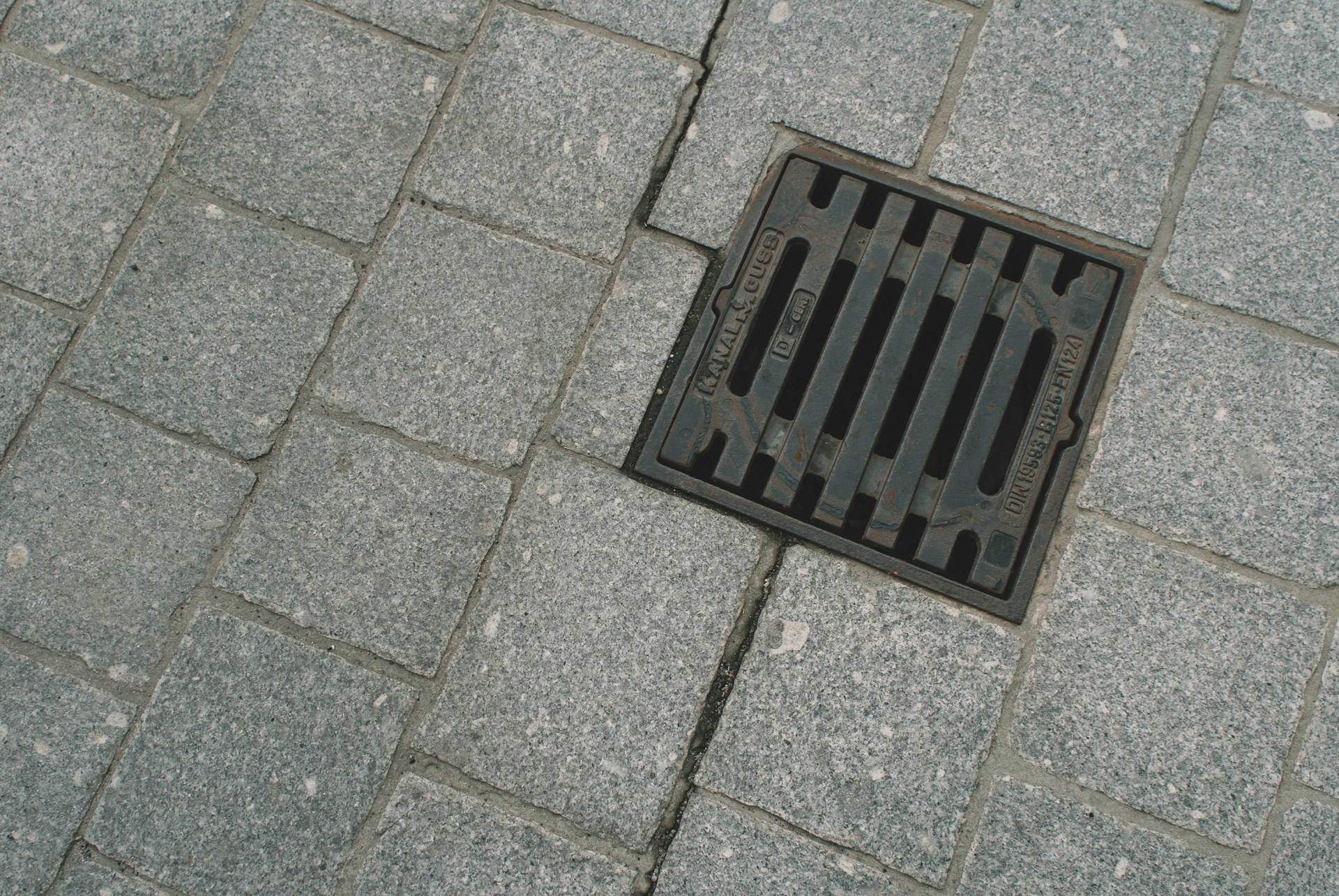
What Happens When Pakenham Stormwater Drains Back Up
Keep Stormwater Outside Your Pakenham Home
Late August can be tough on Pakenham drains. Saturated ground, repeated winter rain and another forecast downpour can turn a slow grate into pooling water near garages, patios and low doorways.
When stormwater has nowhere safe to go, it may overflow from pits, downpipes and surface drains instead. We’re available 24/7 for urgent stormwater, sewer and drainage problems across Pakenham, Drouin, Warragul, West Gippsland and Melbourne’s eastern suburbs. Below, we explain likely causes, safe first steps, what happens during an emergency visit and ways to help prevent another backup before spring rain arrives.
Why Pakenham Drains Back up in Late Winter
By late winter, the ground has already absorbed weeks of rain. Water has fewer places to soak away, while leaves, mud, garden debris and sediment can build up inside driveway pits and grated drains.
Gippsland clay soils can also move as moisture changes. That movement may place pressure on older pipes and joints, leaving small gaps where tree roots can enter. Once roots get inside, they catch silt and leaves until the line becomes badly restricted.
We often see this in a mix of property types:
Newer estates with landscaped pits collecting mulch and soil
Established homes with mature trees near older pipework
Properties where roof water, driveway runoff and backyard drainage share one line
Homes with recurring overflow after heavier rain
A blocked stormwater drain in Pakenham is not always a simple leaf-clearing job. If water is returning from below ground, there may be a deeper obstruction, root intrusion or damaged section of pipe that needs professional investigation.
Know Whether It Is Drain Trouble or Surface Flooding
Certain signs point to a blocked private stormwater line. Water may bubble from outdoor grates, pits may overflow soon after rain begins, and downpipes can back up rather than draining away. You may also notice water sitting along the driveway, soggy garden edges or dampness appearing near external walls.
If nearby roads and neighbouring properties are also holding water, broader surface flooding may be adding to the problem. However, if your pits, downpipes or surface drains overflow first, we would treat a private drainage blockage as a likely cause.
Until help arrives, keep the area as safe as possible:
Do not remove drain covers while water is surging
Keep children and pets away from pooled water
Move vehicles, stored belongings and electrical equipment from low areas
Avoid adding more water through outdoor taps or washing paved areas
Photograph visible overflow safely for insurance or property records
Stormwater should not smell foul or appear contaminated. If water has a sewer smell, is coming from toilet points or looks contaminated, treat it as an urgent plumbing issue. We recommend seeking 24/7 assistance rather than waiting to see whether it clears.
What a 24/7 Drain Response Looks Like in Pakenham
When you report an overflow, having clear details helps us understand the urgency. Tell us the property address, where water is escaping, whether it appears to be stormwater or sewer related, when it began, whether rain is still falling and whether water is nearing the building.
Our response generally follows a straightforward process. At booking, we confirm the location and nature of the issue. Before arrival, we provide an estimated attendance window based on technician availability, weather conditions and active emergency jobs. On site, we inspect accessible pits, grates, downpipes and visible drainage points before recommending the safest clearing method. After diagnosis, we explain what has caused the blockage and whether further repair or prevention work is needed.
Emergency drainage costs depend on the time of dispatch, travel location, drain access, the severity and location of the blockage, and the equipment required. A clear pricing breakdown should separate the call-out or after-hours attendance fee from diagnosis, high-pressure jetting, CCTV inspection and any approved pipe repair or excavation work.
Typical emergency drainage timing is also broken into stages:
Booking and dispatch, with an estimated attendance window provided before arrival
On-site inspection of accessible drainage points to identify the likely cause
Drain clearing or CCTV investigation, depending on the blockage and access
Further repair planning where roots, cracked pipes or clay-soil movement have damaged the line
A Proper Clear Helps Prevent Repeat Drain Damage
A proper investigation looks beyond the water sitting at the surface. We may check accessible pits and grates, work out the likely flow direction, clear built-up sludge or roots with high-pressure water jetting, and use CCTV inspection where blockages keep returning or pipe damage is suspected.
Root problems need more than a temporary clear. Removing roots from inside the drain can restore flow, but cracked joints, displaced pipes and clay-soil movement may leave an opening for roots to grow back. When camera evidence shows structural damage, a repair plan can address the reason the blockage keeps returning.
The amount of work required can depend on drain access, the blockage location, whether jetting or CCTV is needed, the severity of roots or sediment, and whether damaged pipework needs repair or excavation. After repeated winter backups, it is wise to arrange an inspection rather than waiting for the next downpour.
Before spring rain arrives, keep an eye on a few simple warning points:
Clear leaves from roof gutters and driveway pits
Check that downpipes are draining as intended
Keep mulch and garden soil away from grates
Watch trees growing near older stormwater lines
Take recurring slow drainage or pit overflow seriously
Repeated stormwater backups are a warning that the drainage system is struggling. Acting before water reaches walls, garages or low doorways can reduce the risk of water damage, slippery paths, erosion and a more serious drainage failure during heavy rain.
Restore Reliable Stormwater Flow
For prompt help with a blocked stormwater drain in Pakenham, our team can inspect the line, identify root intrusion or clay-related issues, and clear the obstruction. The Unblock Doc provides 24/7 emergency dispatch when wet winter conditions put your property at risk. Contact us to arrange an assessment and get your drainage system moving again.
FAQs
Can a blocked stormwater drain in Pakenham wait until the rain stops?
Not always. Water approaching your home, garage, electrical areas or retaining walls needs urgent attention because it can cause damage and create unsafe access areas.
Will we know if tree roots are involved?
A CCTV drain inspection can help us identify root intrusion, cracked pipes, collapsed sections and heavy sediment buildup inside the line.
Is emergency drainage help available overnight?
We provide 24/7 emergency plumbing and blocked-drain support, subject to local dispatch availability.