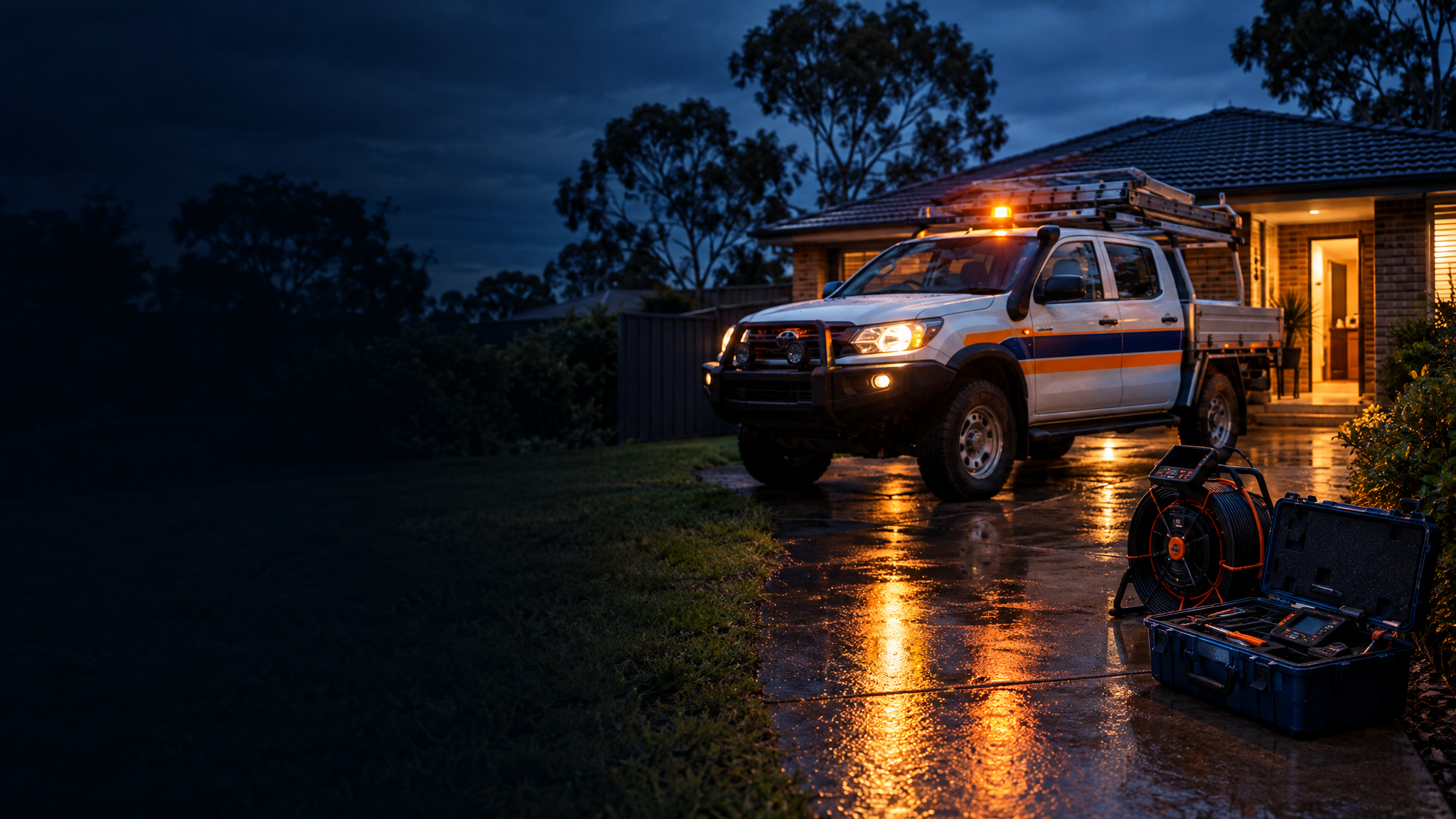
Restore Drouin Drains Before Summer Storms
A drain that survived winter is not always ready for the first heavy summer downpour. After months of wet weather, hidden build-up, shifting soil and tree roots can leave drainage systems under strain, even when water still appears to flow away.
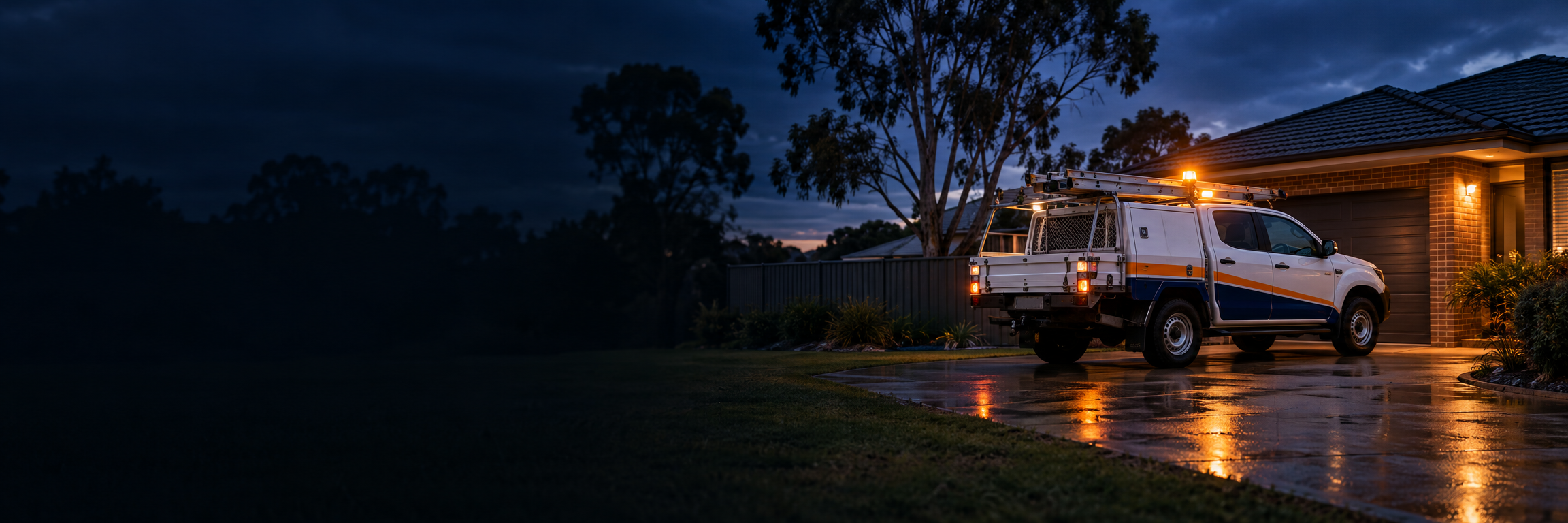
Across Drouin, Warragul, Pakenham and nearby West Gippsland areas, we often find that slow stormwater pits, soggy yards, gurgling toilets and unpleasant outdoor drain smells point to problems developing below ground. We provide licensed 24-hour emergency plumbing and drainage support, along with inspections and clearing work that can identify issues before they turn into wastewater backups or flooded paths.
Secondary Plumbing Services Stop Wet-Season Drain Failures
Secondary plumbing services cover the parts of your plumbing system that sit beyond everyday taps, toilets and fixtures. For us, that includes drainage repairs, blocked drain clearing, stormwater work, sewer line maintenance, trenching and support for damaged underground pipes.
Post-winter issues are not always obvious straight away. A partial blockage may cope with normal household use, then fail when rainfall adds extra pressure to the drainage system. This can leave water with nowhere to go except back through pits, grates or indoor fixtures.
Warning signs we recommend taking seriously include:
- Slow-draining showers, sinks or toilets
- Water pooling around stormwater grates
- Toilets bubbling when the washing machine drains
- Overflowing sewer inspection points
- Mud or water gathering around outdoor pipes
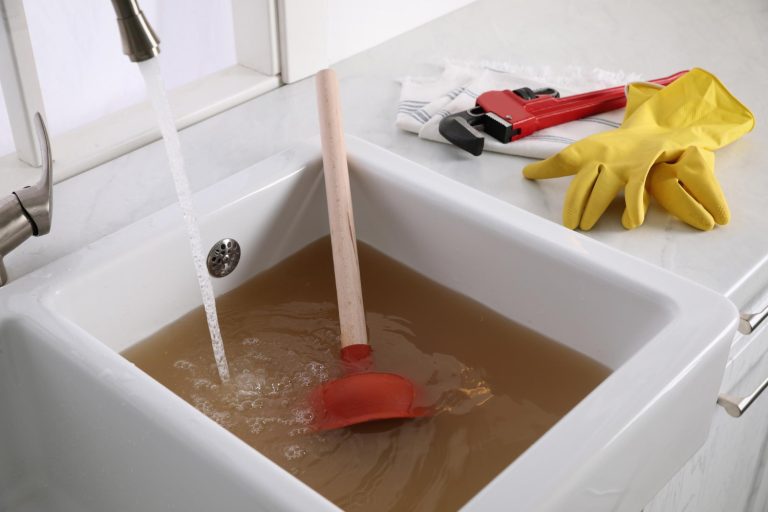
Recurring blockages after plunging are another warning sign. Temporary clearing may move surface debris, but it does not show what is happening further along the pipe. We can inspect and clear drainage lines to help find the cause instead of treating the same symptom repeatedly.
Gippsland Clay Lets Roots Re-Enter Damaged Pipes
Gippsland clay soils can place pressure on underground drainage pipes as conditions change from wet to dry. Clay may swell after prolonged rain and shrink as it dries, allowing small pipe movements around joints and older sections of pipework.
Those small shifts can be enough for tree roots to find a way in. Established gardens, mature gum trees, wattles, hedges and older properties can all create the right conditions for root intrusion. Roots naturally seek moisture, and sewer or stormwater lines can provide it through tiny cracks, loose joints or damaged connections.
Tree roots often cause repeat blockages in the same location. Clearing the line without finding pipe damage can leave you facing another blockage during the next wet spell. Our approach may include:
- CCTV drain inspection to locate roots and assess pipe condition
- High-pressure water jetting to remove root masses and built-up debris
- Checking for cracks, displaced joints or collapsed pipe sections
- Advice on repair, replacement or planned maintenance where needed
Gippsland clay movement and tree root growth can damage underground drains, causing recurring sewer and stormwater blockages after winter. A proper inspection helps us tell the difference between a one-off blockage and a pipe that needs further attention.
Stormwater Backups Need More Than a Quick Clear
Stormwater and sewer drainage systems do different jobs, so they need different diagnosis methods. Stormwater carries roof runoff and surface water away from the property. Sewer drainage carries wastewater from toilets, showers, sinks and laundries.
After wet weather, stormwater pits can fill with leaves, silt, mulch and other debris. Downpipes may discharge too close to foundations, pipes can become crushed or poorly graded, and grated drains near driveways or patios can overflow. Water may then run towards garages, sheds or under-house areas rather than away from them.
When we investigate a stormwater issue, we may use drain camera inspections, high-pressure jetting, pit clearing and drainage troubleshooting to identify where the water flow is being restricted. Severe overflows, wastewater backups or water threatening property areas should be assessed promptly, particularly where water is approaching electrical areas or creating a slip hazard.
Drainage Assessments, Scope and Timelines
The work needed for secondary plumbing services depends on what we find below ground. Access to the line, blockage severity, pipe depth, drain length, tree root density and camera findings can all affect the scope of the job.
Typical pricing and timeframes for Drouin and West Gippsland drainage work include:
- Initial drainage inspection and diagnosis: approximately $220 to $440, usually 30 to 60 minutes
- Blocked drain or stormwater clearing: approximately $330 to $660, usually one to two hours for accessible lines
- CCTV drain assessment: approximately $330 to $550, usually 45 to 90 minutes depending on drain length and access
- Minor drain repairs: approximately $660 to $1,650, often completed in one day where excavation is limited
- Excavation, pipe replacement or collapsed drain repairs: from approximately $2,200 to $6,600 or more, with timing dependent on depth, access, permits and pipe damage
A simple blockage may be cleared during the initial visit. Once access is available, a CCTV inspection can often show whether roots, cracked pipework, displaced joints or a collapse are behind the problem. Where a line has been damaged, we can explain the condition of the pipe and the likely next steps before further work is considered.
Emergency drainage work may need immediate clearing to reduce wastewater or stormwater overflow, followed by a separate CCTV assessment and repair plan. Final pricing depends on the findings, required equipment and whether Gippsland clay movement or root damage has affected the pipework.
Acting early can be less disruptive than waiting for a sewer overflow, flooded yard or drainage issue beneath a driveway. If you have noticed slow drainage, bad smells, pooling water or repeated toilet blockages, treat those signs as an opportunity to investigate the system before the next period of heavy rain.
Restore Reliable Drainage Before The Next Downpour
For Drouin properties dealing with wet winter backups, clay soil movement or recurring root intrusion, our secondary plumbing services can help identify the right next step. The Unblock Doc provides practical advice and 24/7 emergency dispatch when drainage problems cannot wait. Contact us to arrange an assessment for your stormwater or drainage concerns.
FAQs
What Are Secondary Plumbing Services?
Secondary plumbing services cover specialised drainage, sewer, stormwater and underground pipe work that protects your property plumbing system beyond routine fixture repairs. We use these services to investigate and address blockages, water flow problems and damaged drainage lines.
When Should Drouin Homeowners Call A Drainage Specialist?
We recommend arranging professional drainage support when you notice repeated blocking, sewage odours, stormwater pooling, gurgling pipes or water backing up through drains. These symptoms can point to a blockage or damaged pipe that may worsen under heavier water flow.
Why Does My Stormwater Drain Overflow After Rain?
Stormwater drains can overflow because of leaf build-up, silt, tree roots, pipe damage, poor drainage grades or a blocked outlet further along the line. An inspection helps identify whether the problem is at the grate, in the pipework or beyond the property.
How Long Does Blocked Drain Clearing Take?
Straightforward blockages can often be cleared in one visit. Root-affected lines, damaged pipes and collapsed sections may need further assessment and a separate repair plan.