Stop Repeat Drain Blockages Before Drouin Winters
A drain that blocks more than once is usually warning you about a deeper problem. By dealing with slow drains and outdoor pooling early, you can reduce the chance of wastewater or stormwater entering your home, avoid repeat emergency issues and protect older drainage lines before wetter weather arrives.
Late October is a sensible time to look closely at your drainage. As Drouin moves from spring towards Gippsland’s wetter winter months, rain places more pressure on stormwater systems while tree roots become more active around underground pipes. We often find that a small symptom in dry weather becomes a serious blockage after sustained rain.
Repeat blockages are rarely just bad luck. Gurgling toilets, drains that slow down again after being cleared, and overflowing outdoor grates may point to a problem in the same section of pipe, such as:
- Tree roots growing through a joint or crack
- Shifted, cracked or ageing pipework
- Grease, paper or debris catching on an obstruction
- Poor stormwater flow or sediment in an outdoor line
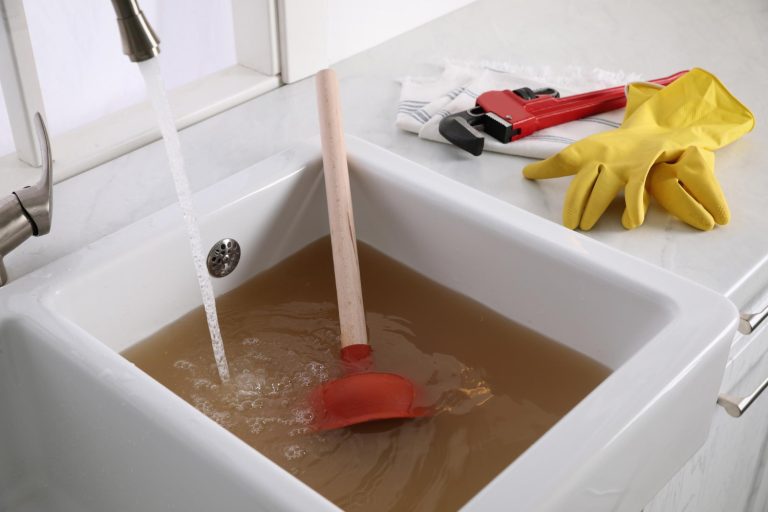
Plungers and shop-bought drain products may shift minor debris near the surface, but they cannot show what is happening further down the line. Where symptoms return within weeks or months, we recommend a professional investigation rather than repeating temporary fixes.
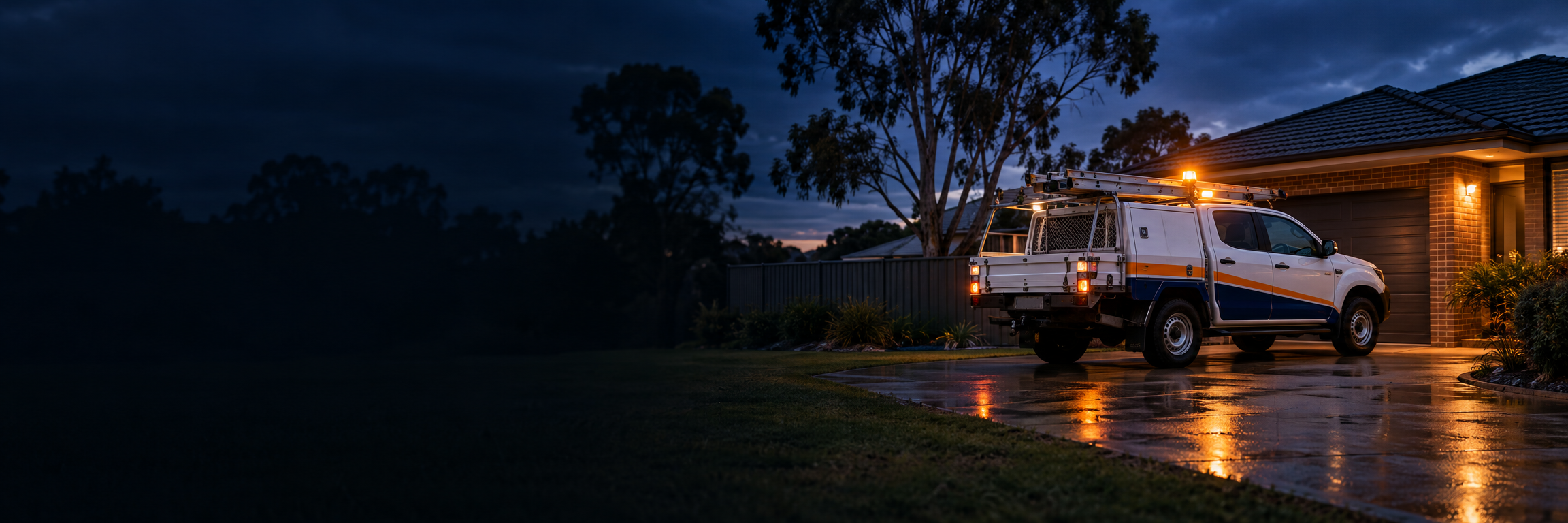
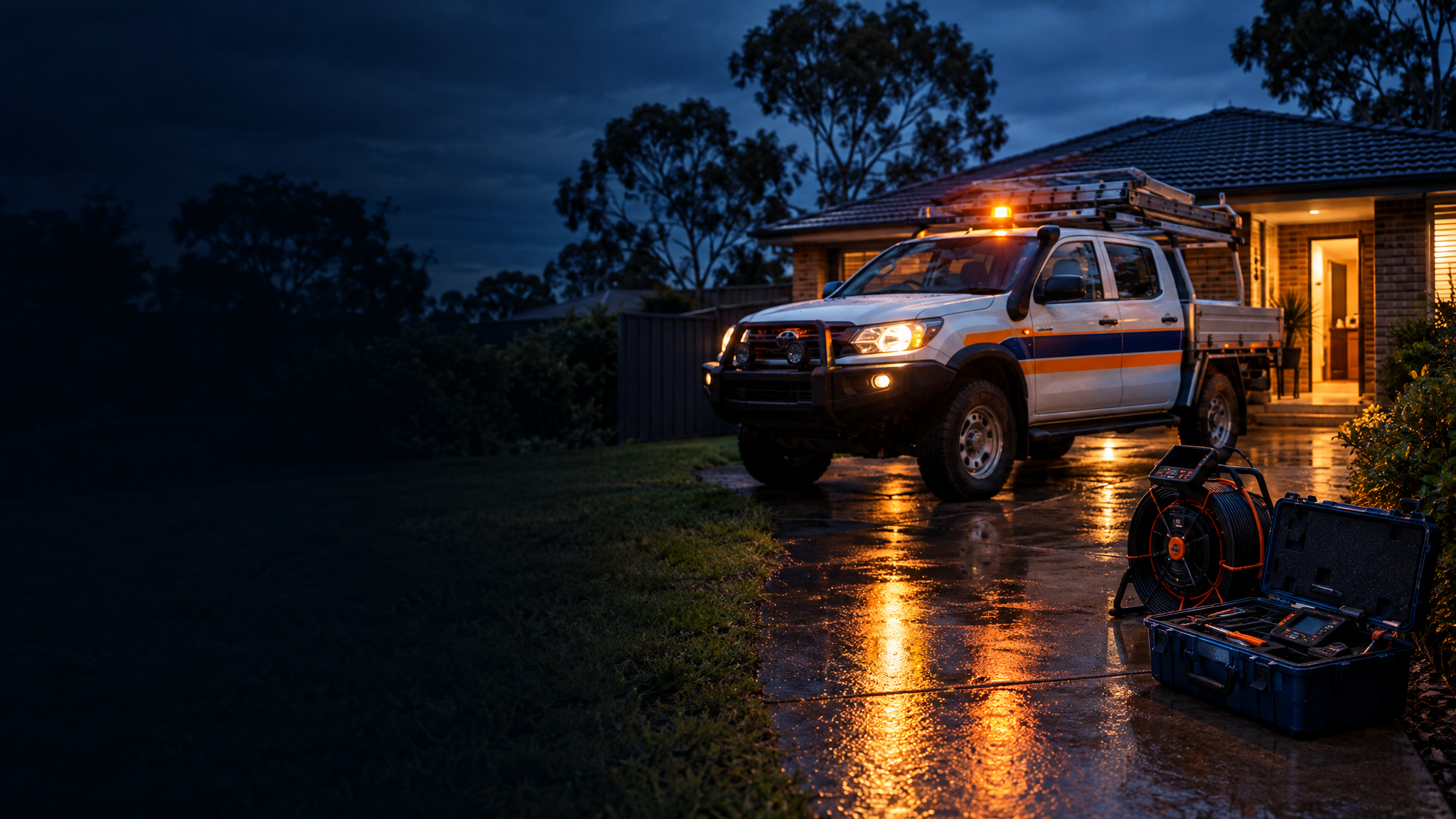
The Unblock Doc provides 24/7 emergency dispatch for active blocked drains and stormwater problems across Drouin and West Gippsland. Still, the best outcome is catching the warning signs before a blocked pipe turns into an after-hours emergency.
How Clay Soil and Winter Rain Affect Drains
Gippsland clay soils can move as conditions change. Clay expands when it is wet and contracts in drier periods, placing pressure on buried pipes. Older earthenware, concrete and even PVC lines can develop small cracks, displaced joints or weak points as the ground shifts around them.
Fine tree roots are drawn to the moisture and nutrients inside drainage pipes. Once a root finds even a small opening, it can grow inside the line. Toilet paper, grease, muddy sediment and household waste then catch around the roots until the pipe narrows and blocks.
Mature gums, wattles, liquid ambers, willows and large hedges can all create risk when planted close to sewer or stormwater lines. The tree does not need to be unhealthy for roots to become a drain issue. Often, the real concern is an ageing pipe or a joint that has moved in the clay soil.
Wet winter weather can expose a separate problem, stormwater that cannot drain away. Roof runoff and surface water may pool around foundations, overflow grates, or move towards garages and low-lying areas when pits and pipes are full of leaves, mud or garden debris.
Before wetter conditions set in, we suggest keeping an eye on safe, visible areas around your home:
- Clear leaves from roof gutters and downpipes
- Remove mulch and leaf litter from outdoor stormwater grates
- Check that downpipes are connected where visible
- Look for mud, stones or garden debris in accessible pits
Avoid forcing rods, hooks or other tools deep into a drain. This can compact debris further into the pipe or damage older drainage lines.
Sewer and stormwater blockages can look different. Sewer problems often show up as toilet, shower or sink backups. Stormwater issues are more likely to appear as overflowing outdoor drains during heavy rain. Sharing these details helps us assess the likely source of the problem quickly.
When Professional Inspection Makes Sense
A blocked drain specialist in Drouin can identify the cause of a recurring problem instead of simply clearing the symptom. If more than one fixture is draining slowly, you notice sewage smells outside, pipes are gurgling, water pools around a pit, or drains overflow after rain, the underlying obstruction may still be in place.
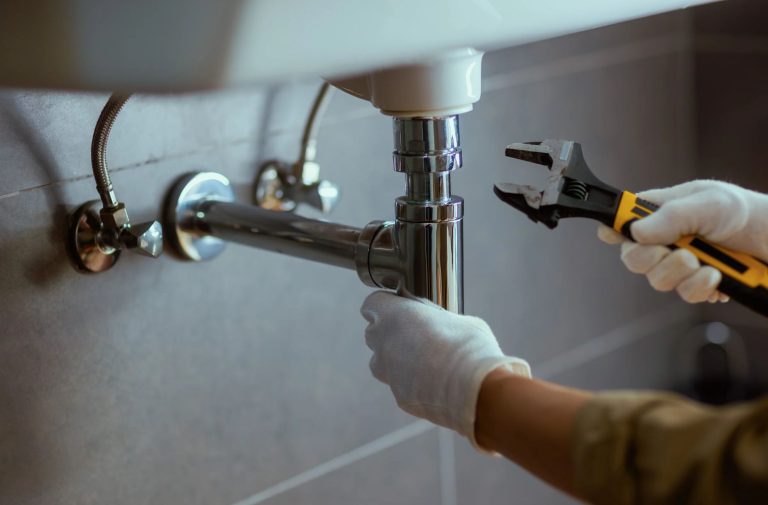
Our assessment process is designed to make the condition of the drain easier to understand. We first check affected fixtures and available access points. A CCTV drain inspection can then show where the blockage sits and whether roots, cracks, low sections, collapsed pipework or built-up debris are involved.
CCTV and hydro-jetting work well together. The camera shows us what is inside the pipe, while professional high-pressure water jetting clears roots, sludge, sediment and debris from the line. Selecting the right equipment matters, particularly where pipe material or condition is uncertain.
Timing depends on what the camera finds. A simple, accessible blockage may be assessed and cleared in one visit. Heavy root growth, deep pipe access, damaged joints or a collapsed section may need follow-up repair work. Before major work is approved, we recommend asking for a clear assessment of the pipe condition, access needs and proposed scope.
Pricing and Timeline Breakdown
Costs vary with access, pipe depth, blockage severity and whether Gippsland clay movement or root intrusion has damaged the line. A clear quote should separate inspection, clearing and any repair work before follow-up repairs begin.
- Inspection: CCTV drain inspection and assessment are commonly completed within 1 to 2 hours, with pricing typically starting from $250 to $450 depending on access and the length of pipe inspected.
- Clearing: Hydro-jetting or mechanical root clearing for an accessible blockage usually takes 1 to 3 hours and may range from $350 to $750, depending on the amount of roots, sludge or sediment removed.
- Follow-up repairs: Minor repairs or relining may be scheduled within days once the pipe condition is confirmed. Cracked, collapsed or deeply buried sections can require a separate quote and may take 1 to 2 days to complete once access and materials are arranged.
- Emergency timing: Active sewer backups or stormwater overflow threatening a home may require 24/7 emergency dispatch, with the initial inspection and clearing often completed on the same visit where access allows.
For properties with known drainage issues, a practical maintenance plan may include:
- Clearing gutters and visible stormwater pits before winter
- Arranging an inspection after any repeat blockage
- Monitoring outdoor grates during heavy rainfall
- Considering planned clearing where mature trees sit near known pipe lines
Early attention is particularly worthwhile if you have a history of root intrusion. Waiting for the next major rain event can leave little time to deal with overflowing pits or internal backups safely.
Protect Your Property Before The Next Downpour
For lasting solutions, speak with The Unblock Doc, your blocked drain specialist in Drouin. We can inspect recurring issues, clear stubborn obstructions and identify root or stormwater problems before they affect your property. For planned maintenance or urgent help, contact us to arrange a suitable time.
FAQs
Can Tree Roots Be Removed Without Removing The Tree?
In many cases, yes. We can use CCTV inspection to locate root entry points, then clear the line with hydro-jetting or mechanical root cutting where suitable. The longer-term answer depends on the pipe itself. If the line is badly cracked, displaced or deteriorated, ongoing maintenance, relining or pipe replacement may be the more reliable way to prevent roots returning.
When Is A Stormwater Blockage An Emergency?
Treat stormwater trouble as urgent when water is approaching your home, garage, electrical areas or foundations, or when several outdoor grates are overflowing during rain. Slow drains, gurgling toilets, outdoor pooling and recurring root problems are all signs worth acting on early, before wet weather turns a manageable blockage into a damaging one.