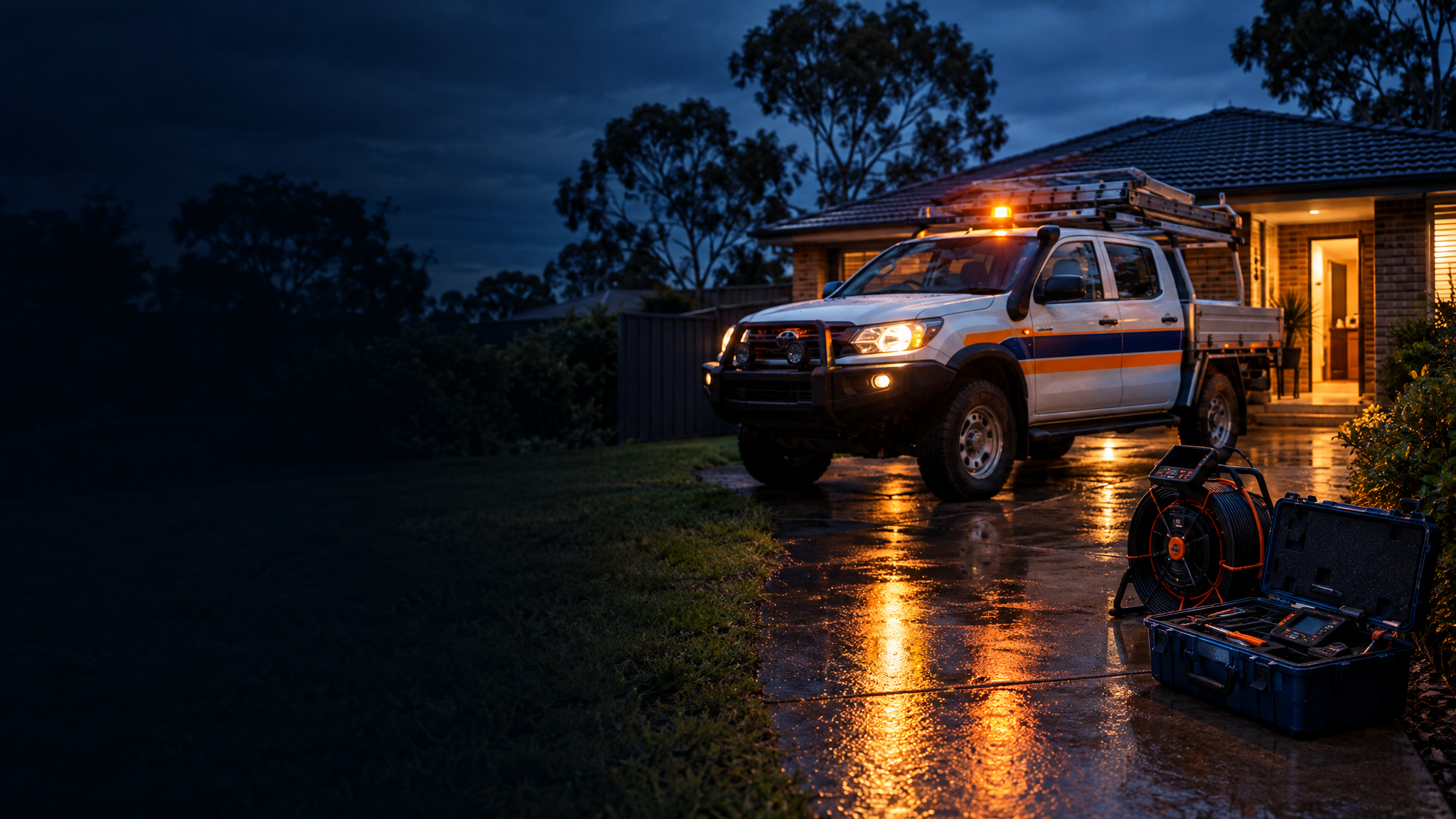
Stop Overflow Damage Before It Spreads
An overflowing drain needs quick attention, whether it starts after heavy rain or wastewater appears near the bathroom, laundry or outdoor gully. Pooling water can create hygiene concerns, damage floors and gardens, and bring family routines to a sudden stop.
While an emergency plumber in Warragul is being arranged, reduce the load on the affected line. Turn off taps, appliances and fixtures that send water into the drain. Keep children and pets away from pooled wastewater or stormwater, and avoid chemical drain cleaners. These products can damage already stressed pipes and create risks when we begin emergency work.
At The Unblock Doc, we provide 24/7 help for blocked drains, overflows, leaks, stormwater faults, CCTV inspections and hydro-jetting. We service Warragul, Drouin, Pakenham, West Gippsland and Melbourne’s eastern suburbs. Response times can depend on weather, access and current emergency demand, but clear information helps us assess the problem safely from the start.
Why Warragul Drain Emergencies Escalate Quickly
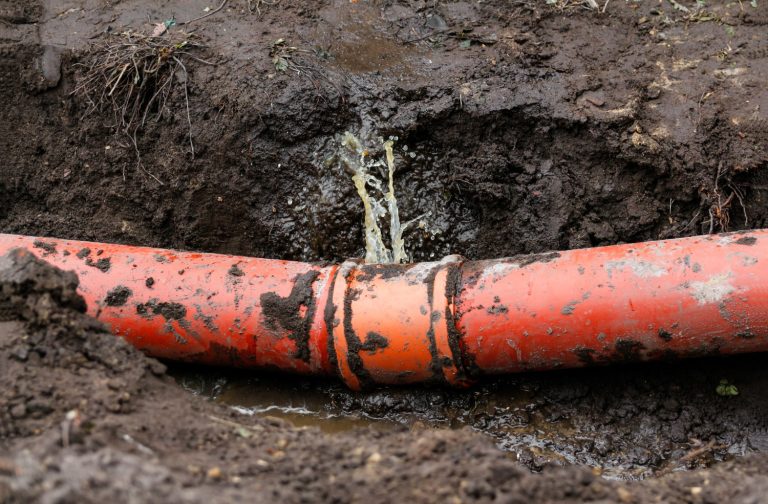
Warragul’s changing ground conditions can place extra strain on underground drains. Gippsland clay soils may expand when wet, then contract during drier spells. That movement can pressure older earthenware, PVC and jointed pipework, leading to cracks, shifted joints or small gaps.
Once a pipe is damaged, tree roots can find their way in. Roots naturally seek moisture and nutrients, and a leaking sewer line can become an inviting source. We often recommend CCTV investigation when a blockage keeps returning, rather than repeatedly clearing the same line without locating the cause.
Common warning signs include:
- Slow-draining basins, showers or sinks
- Gurgling toilets or drains
- Unpleasant smells near fixtures or gullies
- Repeat blockages after temporary clearing
Spring rain can also expose problems left behind by a wet Gippsland winter. Saturated soil, leaf debris and blocked pits may overwhelm stormwater lines, pushing water towards garages, driveways and low-lying yards. Sewer and stormwater faults need different diagnosis and repair methods, even when both appear as an overflow.
What Happens After Your Emergency Call
When you report an urgent overflow, we first need to know where water is coming up, whether sewage is involved and which fixtures have been affected. From there, we assess immediate risks such as indoor flooding, wastewater exposure, electrical hazards or stormwater entering the building.
Response times are affected by the current emergency workload, especially during widespread rain events, as well as travel from the nearest available technician. Property access also matters. Locked gates, parked vehicles, steep driveways, pets and covered inspection points can delay safe entry and diagnosis.
Once onsite, the usual emergency sequence is:
- A safety check and identification of the overflow point
- Drain clearing with equipment suited to the blockage
- Hydro-jetting for severe roots, sludge or debris where appropriate
- CCTV inspection if pipe damage or repeat blockage is suspected
Hydro-jetting may restore flow quickly, but the camera inspection can show whether a damaged pipe, root mass or collapsed section is still waiting underground.
Hydro-Jetting and CCTV Find the Real Cause
Emergency clearing is often the first step, not always the final fix. Professional hydro-jetting uses high-pressure water to break through root growth, grease, paper build-up, sludge and stormwater debris. The right method depends on the pipe material, condition and type of blockage, so we assess the line before selecting equipment.
A drain camera gives us a view below ground without guesswork. CCTV footage can reveal root masses, cracked pipes, offset joints, collapsed areas and foreign objects. It also helps us determine whether cleaning is enough or whether repair, relining or replacement should be considered.
Certain local patterns are worth investigating. A toilet that backs up after rain may point to a restricted drain combined with stormwater pressure. A garden gully overflowing beside large trees can suggest roots in an older sewer line. A driveway pit that fills rapidly in spring rain may have silt, leaves or a blocked stormwater connection.
Emergency Work Scope and Timelines
Every overflow is different, so the work needed depends on the location of the blockage, access to inspection points and the equipment required. A straightforward obstruction may be cleared during an emergency visit, while widespread root intrusion or damaged pipework can need further work after CCTV findings are reviewed.
A clear emergency process usually includes problem assessment, dispatch and travel, an onsite safety check, drain diagnosis, overflow control and clearing. Where needed, CCTV follows to identify the underlying issue and explain suitable repair options.
Indicative emergency pricing can vary with after-hours attendance, travel, drain access, blockage severity and the equipment needed. A written price should be confirmed before additional repair work proceeds.
- Emergency dispatch, assessment and initial diagnosis: approximately $220 to $450
- Standard drain clearing: approximately $350 to $750, depending on access and blockage location
- Hydro-jetting for roots, sludge or heavy debris: approximately $550 to $1,100
- CCTV inspection: approximately $250 to $450, depending on pipe length and access points
- Follow-up repairs: quoted after CCTV, with minor accessible repairs often costing less than excavation, relining or pipe replacement
Estimated emergency stages and timeframes are:
- Dispatch and travel: often within 1 to 4 hours, depending on weather, demand and technician availability
- Onsite safety check and initial assessment: around 15 to 30 minutes
- Drain clearing or hydro-jetting: around 30 to 90 minutes for many accessible blockages
- CCTV inspection and findings review: around 30 to 60 minutes where required
- Follow-up repairs: minor accessible repairs may take several hours, while excavation, relining or replacement may need scheduling after the pipe condition is confirmed
Before work begins, it helps to understand:
- Whether the issue involves sewerage, stormwater or both
- Which clearing method is appropriate for the drain
- Whether a CCTV inspection is recommended after clearing
- What repair paths may apply if roots or pipe damage are found
Early action matters most when drains start gurgling, toilets flush slowly, stormwater pits fill or water begins pooling. Stopping extra water from entering the line and keeping people away from contaminated areas can limit the spread while the cause is identified.
Rapid Help When Your Drains Need Attention
For prompt support, book an emergency plumber in Warragul when overflow threatens your home, business or yard. Our team is available 24/7 to assess urgent drainage problems and restore flow as quickly as possible. The Unblock Doc brings the right equipment for blocked drains, stormwater backups and root-affected pipes. Contact us to arrange emergency assistance.
FAQs
Should I Wait Until Morning If The Drain Is Only Partly Overflowing?
No. A partial overflow can become a full backup as more water enters the line. Seek 24/7 emergency plumbing help when wastewater, stormwater or sewage is rising, pooling or entering the property.
Can A Blocked Drain Be Fixed In One Visit?
Many blockages can be cleared during an emergency visit. However, major root intrusion, damaged pipes or collapsed sections may require further repair work after CCTV inspection confirms what is happening underground.